
Greenwashing works because complexity is invisible. TrueTag makes the hidden legible.
The problem with "sustainable"
The fashion industry generates an estimated 92 million tonnes of textile waste a year, yet brand communications reduce this to vague claims. "Eco-conscious." "Responsibly sourced." Terms that signal virtue while obscuring specifics.
This project started with a question: what would it take to give shoppers access to the same data supply chain auditors use, but in the five seconds they have at a rack?
"Consumers want to make ethical choices. The information simply isn't available to them in a usable form."
· Research framing, UTS briefFour things we kept running into
Desk research and rapid user interviews kept surfacing the same pattern: people knew something was wrong, but had no way to act on it.
Making numbers feel like something
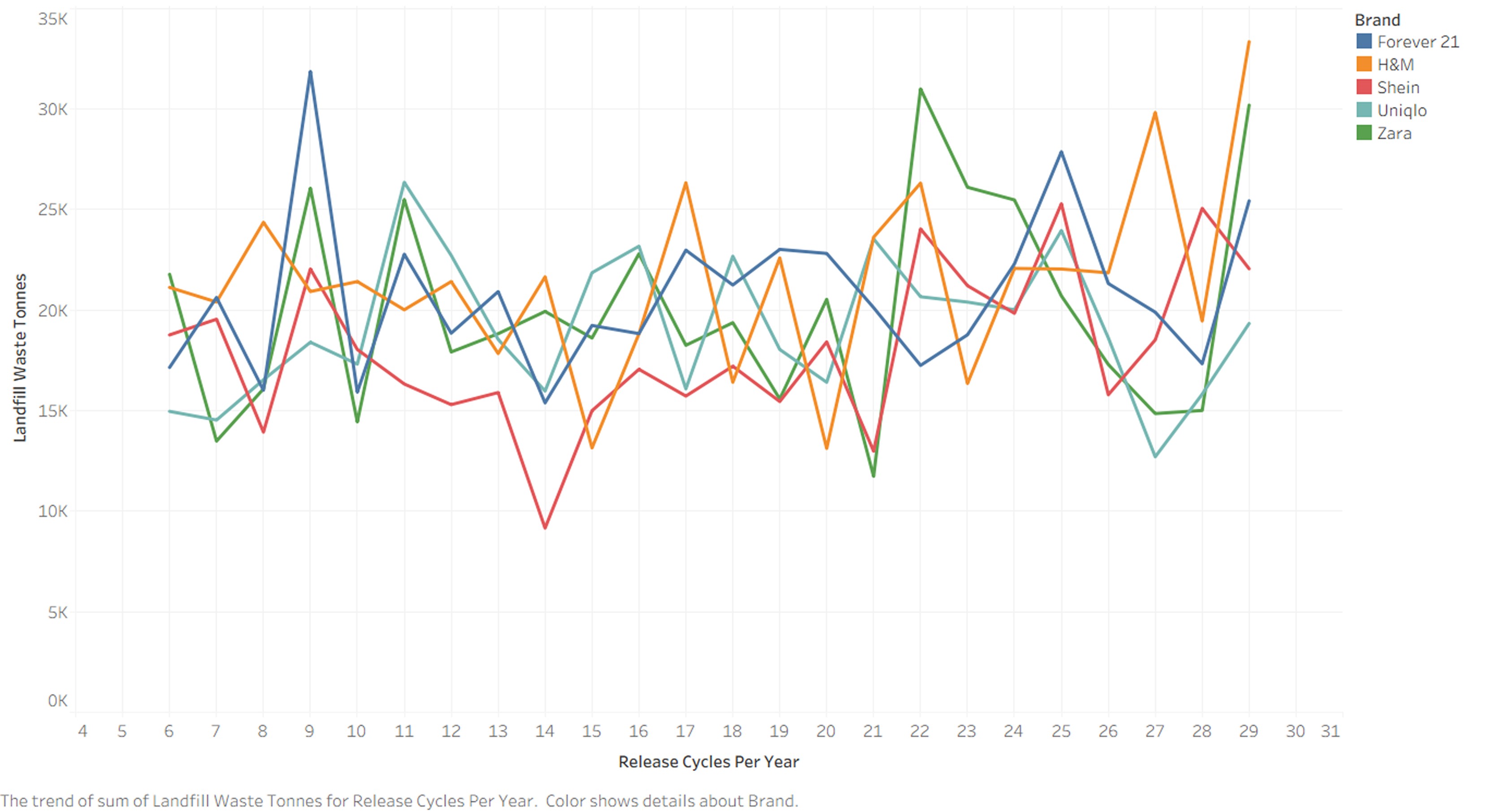
The visualisation work happened in two stages. First, building the data model in Tableau, tracking landfill waste across five major fast fashion brands over time, looking for patterns worth surfacing.
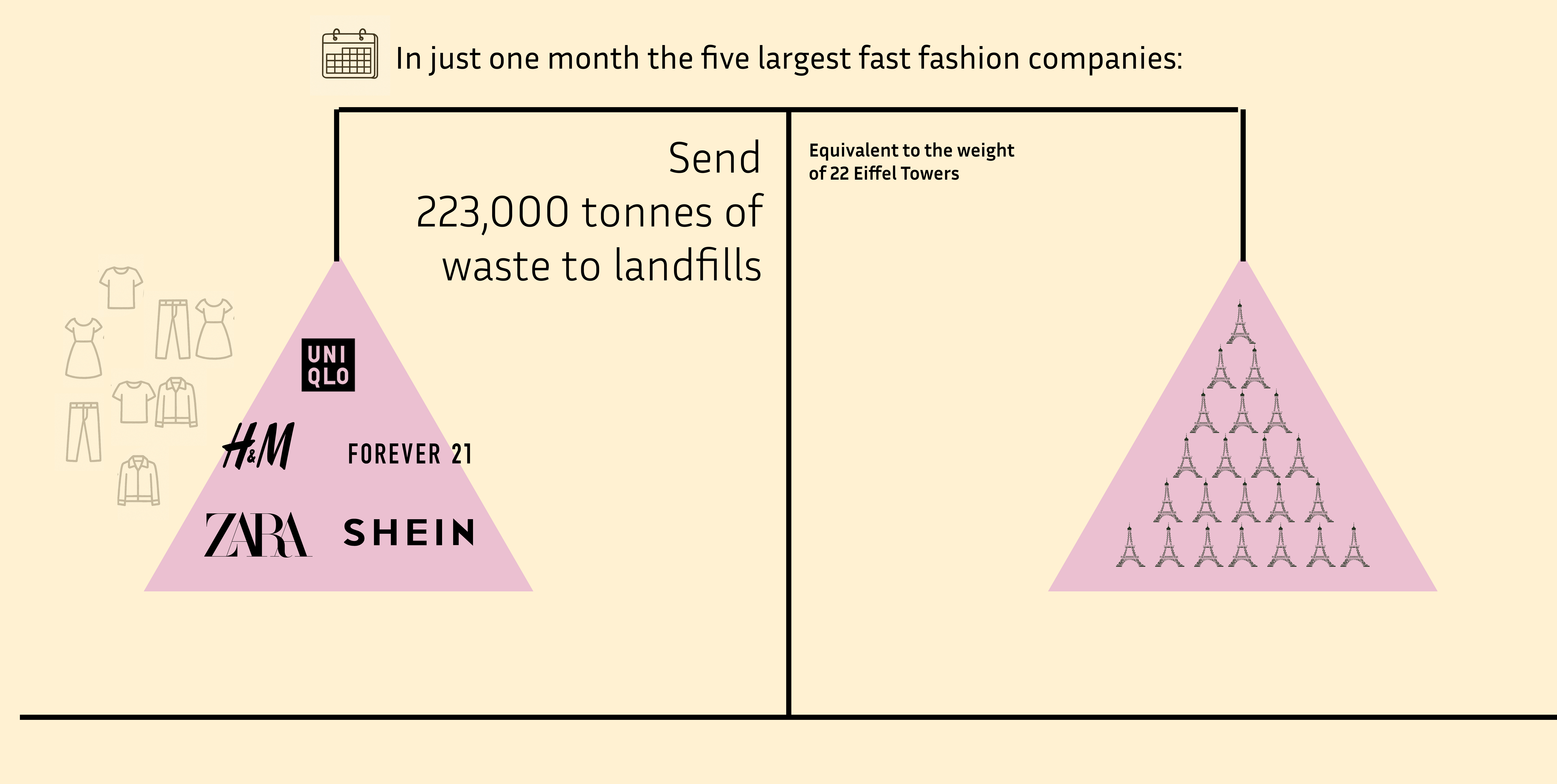
The harder problem was translation. Raw numbers don’t move people. 223,000 tonnes means nothing until it’s 22 Eiffel Towers. The infographic layer was about finding the right anchor for each metric so a shopper could feel the scale, not just read it.
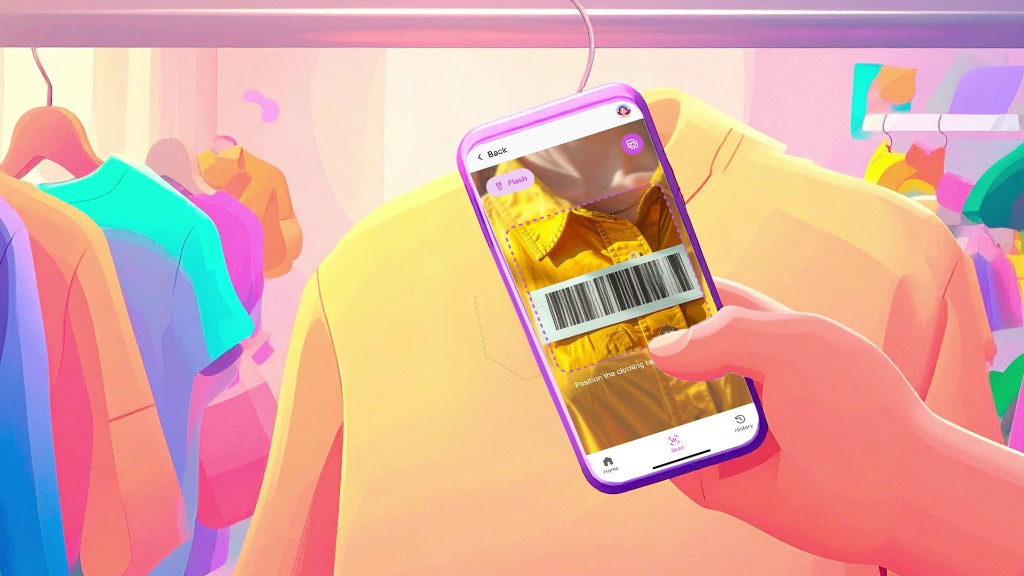
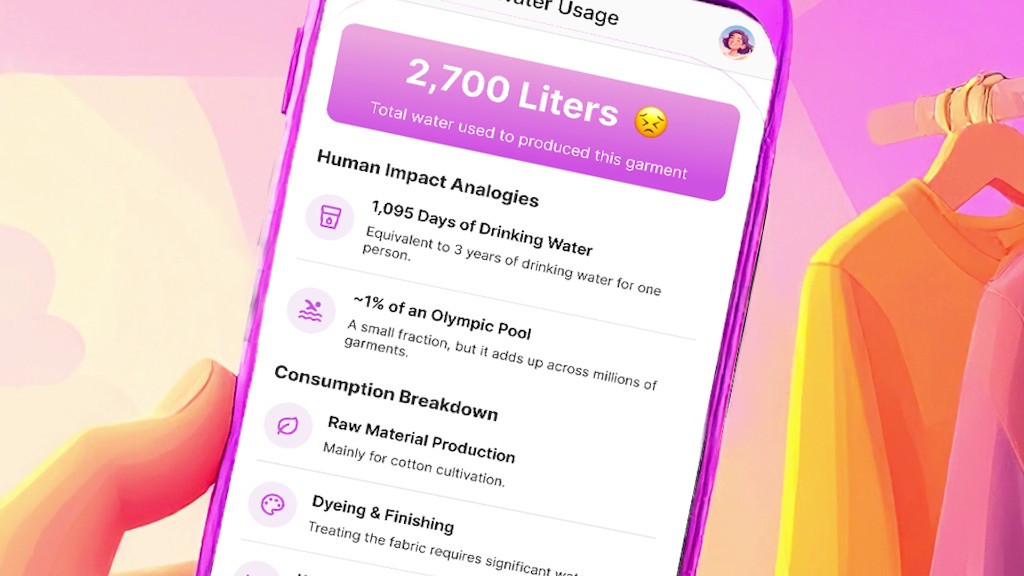
Three moments in the scan flow

The full story in motion
One scan at the rack tells you what the brand won’t. The true environmental, social, and labour cost of what you’re about to buy, in plain language, before you decide.
What this project taught me about data
The hardest design problem wasn't the visualisation. It was deciding what to leave out. Every additional data point added cognitive load and reduced the chance someone would act. Good data design is mostly editing.
I'd push the comparative framing further next time. The relative benchmarks tested well, but there's a version of this where you can compare two items side by side in real time at the rack, which is closer to how shopping decisions actually work.
"The best visualisation is the one that makes you forget you're looking at data."
· Edward Tufte (paraphrased)